Similar Posts
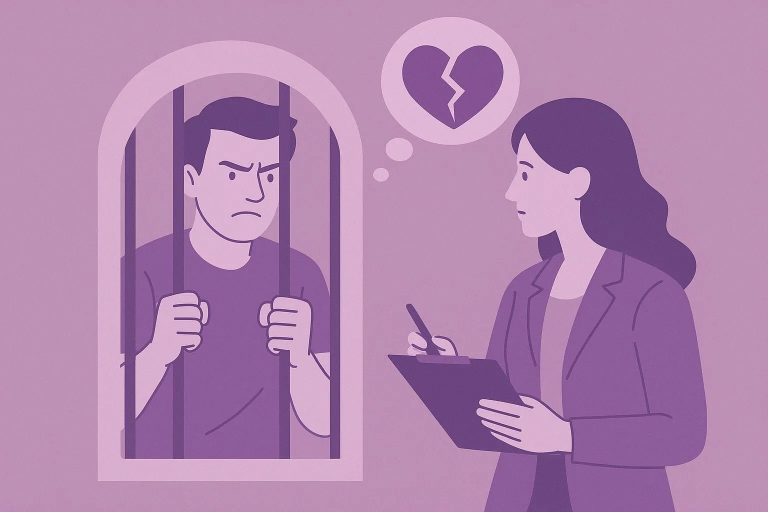
When Clients Fear Calm More Than Chaos
(Why Safety Can Feel Like a Threat) There’s a moment in therapy that can quietly unsettle even experienced counsellors. The work has been steady.The client feels more regulated.Sessions are calmer.There’s less crisis, less urgency. And then – something shifts. The client becomes anxious again.They create conflict.They miss a session.They suddenly question the therapy itself. It…
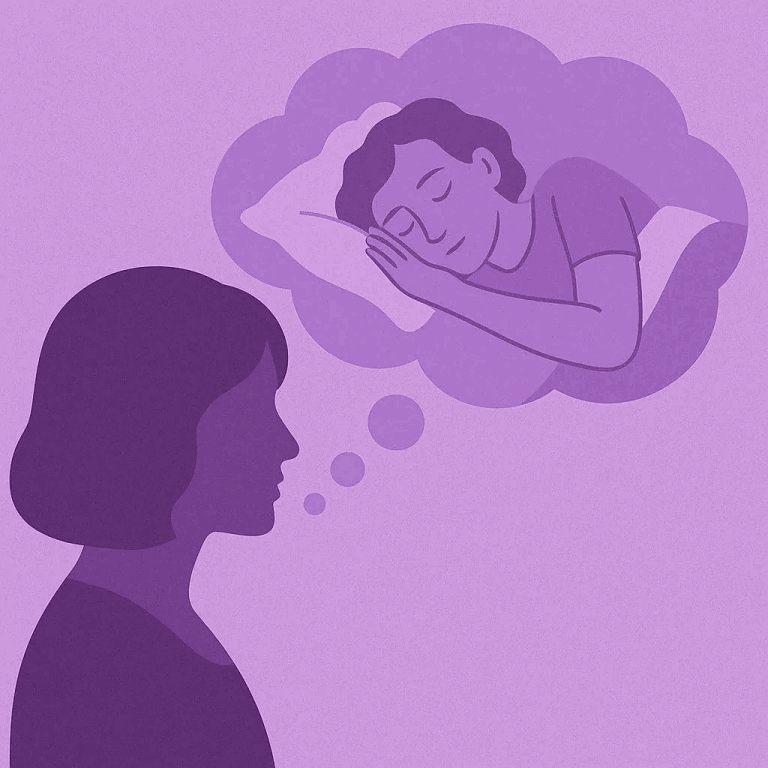
How often do you invite dreams into the therapy room?
Dreams in therapy reveal unconscious patterns and attachment wounds. Learn how to work with them meaningfully in attachment-based psychotherapy
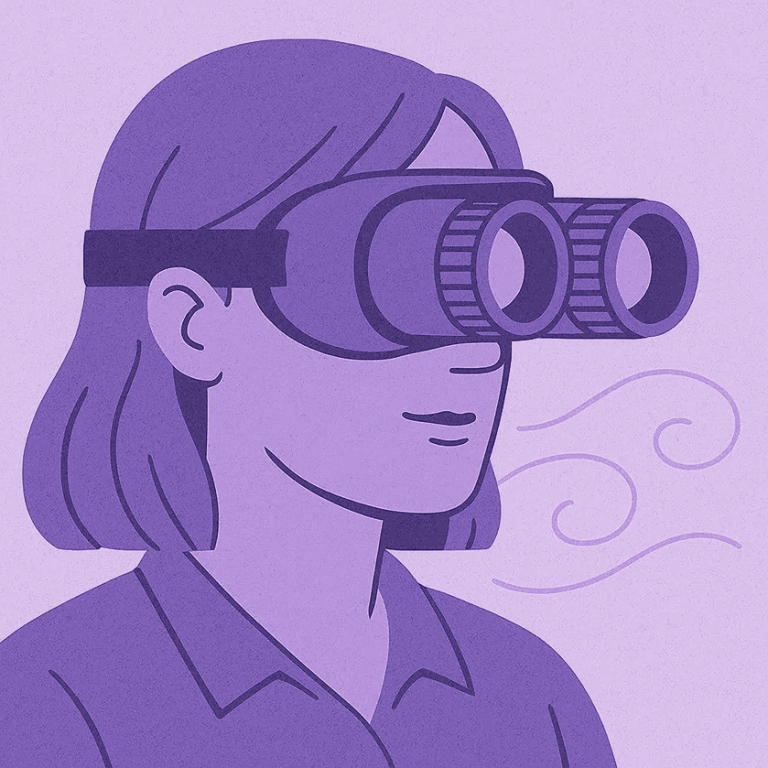
Attachment Night Vision: Seeing Beneath the Surface in Psychotherapy
Therapists don’t just listen to stories—they read bodies. This article explores how attachment theory and somatic awareness can give clinicians “night vision” to detect what’s unspoken: the nervous system responses shaped by trauma and care. Learn to work with the body as a storyteller in relational healing
When Agreement Isn’t the Same as Engagement
When Agreement Isn’t the Same as Engagement I’ve been thinking about clients who agree with everything I say, and how easy it is for me to experience that as engagement. And sometimes, of course, it is. Sometimes I say something and the client says, “Yes, that’s exactly it,” and I can feel that something has…
Detecting Hidden Attachment Patterns
Detecting and Unlocking Hidden Attachment Patterns In the ever-evolving landscape of mental health and psychotherapy, attachment-based psychotherapeutic counselling is emerging as a transformative approach to healing relational wounds and fostering emotional resilience. By detecting hidden patterns of insecure attachment through observable client behaviours and neurobiological cues, we gain profound insights into how past experiences shape…