Similar Posts
The Science of Connection: How Oxytocin Supports Breakthroughs in Therapy
How Oxytocin Supports Breakthroughs in Therapy As counsellors, we see first-hand how attachment wounds shape our clients’ struggles. But beyond theory, there’s a biological side to healing too—our brains are wired for connection, and neurochemicals play a vital role in the therapeutic process. Oxytocin, often called the “bonding hormone,” is key. It’s released through safe,…
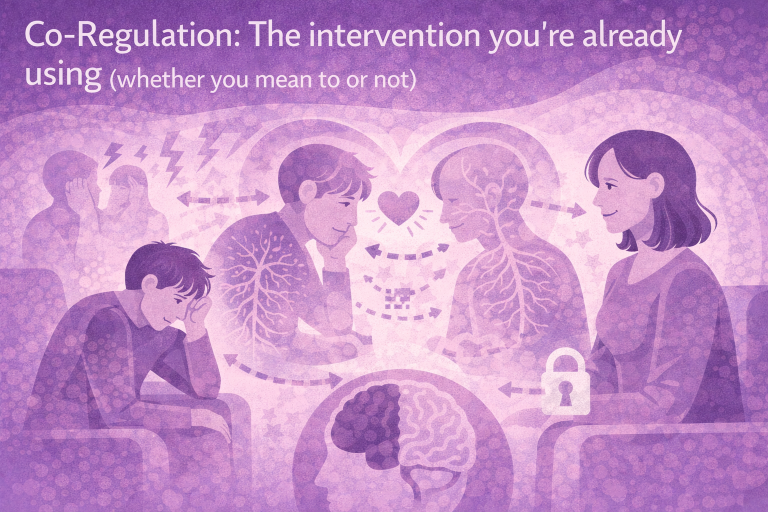
Co-Regulation: The Intervention You’re Already Using
(Whether You Mean To or Not) Most therapists don’t remember being taught about co-regulation. And yet, if you sit with clients day after day, you are using it constantly. Often without naming it.Often without planning it.Sometimes without realising how powerful it is. Co-regulation isn’t a technique you “apply”. It’s something that happens between nervous systems…
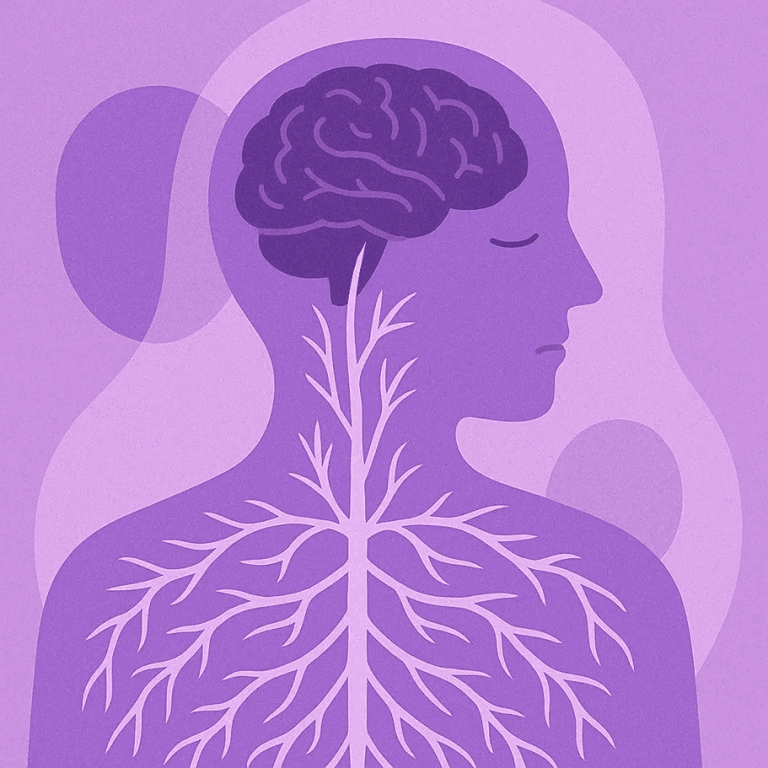
Listening to the Body: Why Attachment-Based Therapy Needs a Somatic Lens
When connection feels unsafe, the body remembers. In attachment-based therapy, somatic awareness helps us understand nervous system patterns rooted in early trauma. This article explores how integrating body-based work deepens healing for clients with insecure or disorganized attachment
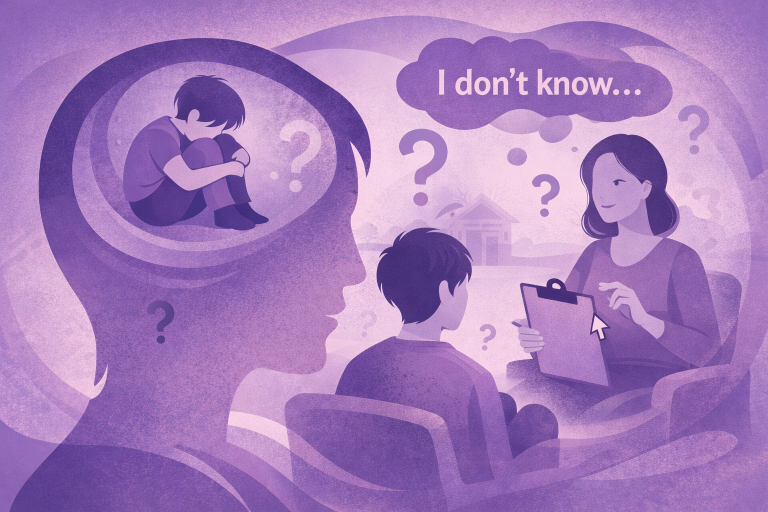
When Clients Say “I Don’t Know”
(And Why That’s Not Resistance) There are few phrases that can quietly derail a therapy session like this one: “I don’t know.” And often, something happens inside the therapist. We might feel momentarily stuck.We might try another angle.We might gently probe, rephrase, offer options. Or – if we’re honest – we might wonder whether the…
Knowing Attachment Theory Is Not the Same as Using It
Knowing Attachment Theory Is Not the Same as Using It I’ve been thinking about the difference between knowing attachment theory and actually using it in the therapy room. Because I think a lot of us know the basic ideas. We know early relationships matter. We know clients can move towards closeness, pull away from it,…